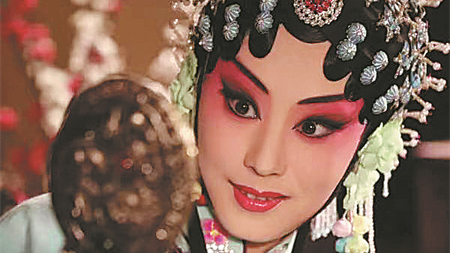
Kunqu Opera
Introduction
Kunqu Opera, also known simply as Kunqu, is one of the oldest and most refined forms of traditional Chinese opera. Originating over 600 years ago from the region of Kunshan, near present-day Suzhou in Jiangsu province, it is noted for its melodious arias, elegant movements, and refined lyricism. This art form is performed in the Suzhou dialect and integrates elements of singing, dancing and acting.
Kunqu has played a significant role in the development of other Chinese opera styles, including the well-known Peking Opera, earning it the title of "Mother of Chinese Operas". In 2001, Kunqu was designated by UNESCO as a Masterpiece of the Oral and Intangible Heritage of Humanity, acknowledging its cultural significance and the necessity for its preservation.
Historical Context
Kunqu Opera traces its roots back to the late Yuan Dynasty (1271-1368) and gained prominence during the Ming Dynasty (1368-1644) when it was popularized by the playwright Tang Xianzu. His play, "The Peony Pavilion", remains one of the most celebrated works within the Kunqu repertoire. The opera form reached its zenith between the 16th and 18th centuries, dominating the Chinese theater scene. However, Kunqu faced decline in the Qing Dynasty (1644-1911) due to competition from other emergent forms of Chinese opera. Despite this, its intricate artistry and historical significance have enabled it to survive and continue to be performed.
Key Features
Kunqu is characterized by its poetic dialogue, graceful dance movements and distinctive musical accompaniment. The main musical instrument used in Kunqu is the bamboo flute, accompanied by string instruments like pipa and erhu, as well as various percussion instruments. Performance techniques are rooted in traditional Chinese aesthetics, emphasizing subtlety and expressiveness. Dialogues and monologues are delivered in a lyrical and rhythmic style that often incorporates classical Chinese poetry. The acting style in Kunqu is highly stylized, with actors undergoing rigorous training to master the delicate gestures and movements that convey the narrative and emotional depth of the performance.
Notable Performers
Notable figures in Kunqu Opera include Ke Jun, a significant performer and innovator in the art form. Ke Jun's avant-garde approach has revitalized interest in Kunqu through his various productions which showcase his exploratory work in the genre. Another prominent performer is Shao Tianshuai, who has become a leading actress in the Northern Kunqu Opera Theater, known for her roles in pieces like "The Peony Pavilion".
Modern Development
Kunqu Opera has seen modern adaptations and innovations aimed at attracting younger audiences. Efforts have included producing shorter, more accessible performances, integrating contemporary elements, and utilizing digital platforms for wider dissemination. The Northern Kunqu Opera Theater, along with other troupes, has been instrumental in these revitalization efforts, staging both traditional and contemporary adaptations to keep the art form alive and relevant.
Educational initiatives also play a crucial role in ensuring the preservation and transmission of Kunqu Opera. Programs aimed at training new generations of performers emphasize the traditional skills and techniques vital to Kunqu, while adapting teaching methods to contemporary contexts. The involvement of educational institutions, like Peking University, in promoting Kunqu through courses and workshops has further contributed to the art form's revival.
Global Recognition and Cultural Exchange
Kunqu Opera's recognition by UNESCO has spurred international interest and cultural exchange. The Northern Kunqu Opera Theater has participated in global events, showcasing Kunqu to audiences unfamiliar with its rich heritage. Collaborations with international artists and performances at global venues have introduced Kunqu Opera to a broader audience, promoting cross-cultural understanding and appreciation.
Moreover, events like the Edinburgh Festival Fringe have become platforms for Kunqu Opera artists to demonstrate the art form's unique appeal to international audiences. Such initiatives not only celebrate Kunqu's heritage but also foster dialogue between Eastern and Western theatrical traditions.








